Injection Molding and Manufacturing for Water Filtration Components
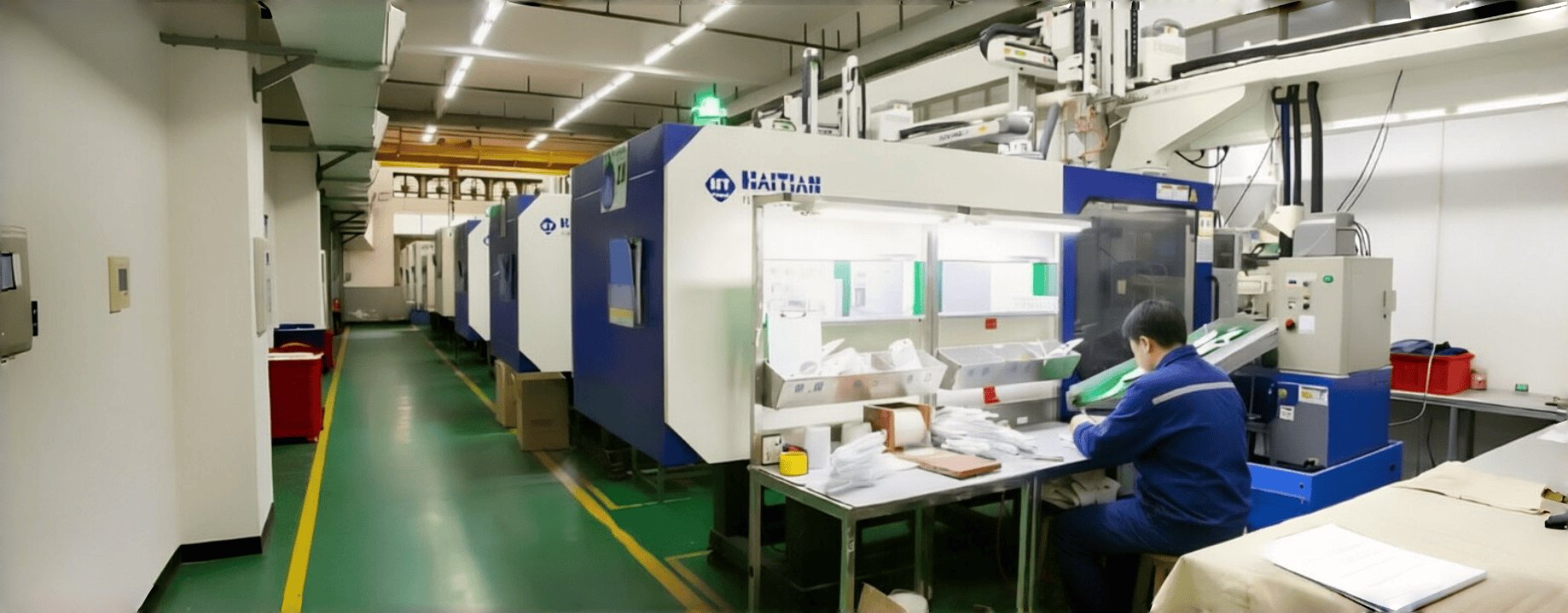
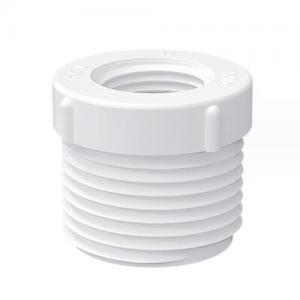
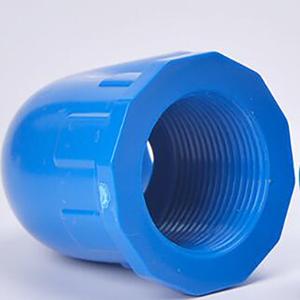
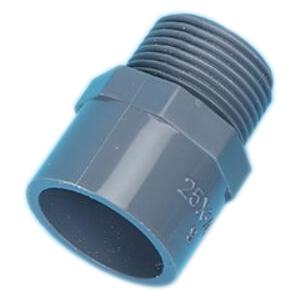
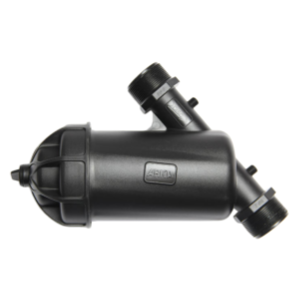
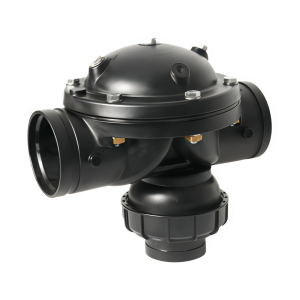
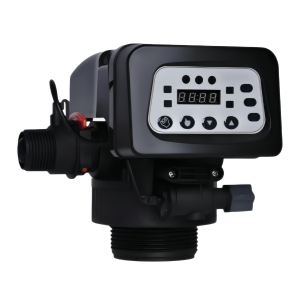
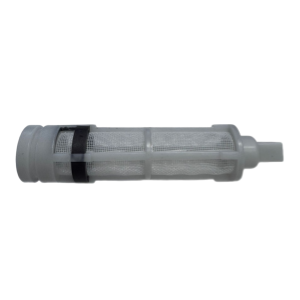
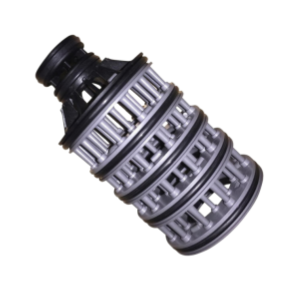
We specialize in the precision injection molding of critical components for water filtration systems. We make not only the mold but also manufacture the high-performance parts. Our production includes filter housings (or filter bottles), end caps for filter elements, connectors, valves, and external casings.
| Component | Common Materials | Key Properties & Selection Logic |
|---|---|---|
| Housing / Filter Bottle | PP (polypropylene), ABS, PA66-GF30 (glass-filled nylon) |
PP: Best chemical resistance, lowest cost, excellent for general water contact. ABS: Better impact strength and surface finish, good for structural parts not exposed to harsh chemicals. PA66-GF30: Highest strength and creep resistance, used for RO membrane housings under pulsating pressure. |
| End Caps / Adapters | PP, ABS, PA, PVDF |
PP dominates for its weldability (ultrasonic, hot plate, IR) and chemical compatibility. ABS offers dimensional stability for precision fit. PVDF chosen for high-purity or aggressive chemical filtration. |
| Internal Core / Cage | PP, PA (nylon) |
PP is standard for cost and chemical resistance. PA provides higher stiffness for high-flow or long pleated cartridges. |
| O-Rings / Seals | EPDM, Silicone, NBR |
EPDM is the standard for drinking water — excellent water resistance and NSF/ANSI 61 approved grades available. Silicone is good for extreme temperatures and food/medical use, but lower mechanical strength. NBR is for oil resistance, not preferred for pure water contact. |
| Filter Media (Membrane) | PES, PP, PVDF, PTFE, Nylon |
PES: Low protein binding, ideal for sterile/pharmaceutical filtration and high-precision water polishing. PP: Cost-effective for pre-filtration and general chemical resistance. PVDF/PTFE: For aggressive chemicals, solvents, and high-purity semiconductor applications. |
| Valve Bodies / Pump Components | PA66-GF30, PPS, PPO |
PA66-GF30: Hydrolysis-resistant grades for solenoid valves, pump housings, and metering pumps. PPS: Excellent chemical resistance at lower cost than PEEK, good for aggressive fluid handling. PPO: Used in valve cores and pump parts. |
| Clear Housing / Visual Parts | Co-Polyester, ASA, PC (legacy) |
PC is no longer acceptable for drinking water due to BPA concerns and NSF restrictions. Co-Polyester (moisture-controlled) can pass 700+ psi and 150,000 cycles with clarity. ASA offers clarity but requires thick walls for pressure, making it costly. |


How to Ensure a Leak-Free Filter: Our Experience
Material Selection
For water purifier seals, silicone O-rings are preferred — water-resistant, aging-resistant, and less prone to permanent deformation.
Groove Design
Groove width must leave enough room for the rubber to "spread" under compression, typically about 1.3× the cross-section. Too narrow and the O-ring will be sheared and damaged.
Groove Depth & Width (Reference Values for Static Seals)
| O-Ring Cross-Section (mm) | Groove Depth h (mm) | Groove Width b (mm) | Bottom Radius n (mm) |
|---|---|---|---|
| 1.78 | 1.27 ± 0.05 | 2.39 +0.25 | 0.4 |
| 2.62 | 2.06 ± 0.05 | 3.58 +0.25 | 0.6 |
| 3.53 | 2.82 ± 0.05 | 4.78 +0.25 | 0.7 |
Empirical Calculation Formulas
O-Ring ID = Groove bottom diameter ÷ 1.04 (based on 4% stretch)
O-Ring Cross-Section = Groove depth × 1.2 (based on 20% compression)
Groove Width ≈ Cross-section × 1.3
Tolerance Fit Reference: Groove diameter (bore) H9; Rod diameter f8 / h9.
Pressure Test Verification
If the product targets the North American market, prepare hydrostatic testing at 3× or 300 psig. If only domestic Chinese standards apply, 2× or 1.2 MPa is sufficient.
Plastic water purifier pressure, pulse cycle, and sealing parameters mainly reference NSF/ANSI 58 and QB/T series standards. Key data is summarized below.
Pressure & Pulse Cycle Requirements
| Item | Typical Requirement | Basis / Notes |
|---|---|---|
| Hydrostatic Pressure Test | Whole unit: 2× working pressure or 1.2 MPa (whichever is greater) | Common Chinese standard value; hold for 15 min |
| Hydrostatic Pressure Test (NSF/ANSI 58) | 3× maximum working pressure or 300 psig | North American standard; more stringent |
| Pulse Fatigue Cycling | 100,000 cycles (enhanced standard) | Pressure cycling 0.1 MPa → 0.8 MPa → 0.1 MPa |
| Pulse Frequency | 25–60 cycles/min (~0.4–1 Hz) | Adjustable range on test equipment |
Why Choose Yixing Technology
Every component we produce is engineered to meet rigorous quality standards, including:
- Food-grade material compliance
- High sealing integrity
- Pressure and corrosion resistance
- Excellent internal cavity cleanliness
Our Workflow
A transparent, step-by-step process from design to delivery.
Stage 1: R&D Support
We support customer R&D. Create the files or improve the design if needed (UG, SolidWorks, ProE, AutoCAD, etc.).
Stage 2: Mold Process
Mold design (DFM report) → check/approve → approved → make mold → produce sample → sample confirmed → check final mold quality ready to export.
Stage 3: Sample Modification
If the first sample does not satisfy the customer, we can modify the mold to meet customers' requirements.
Stage 4: Sample Delivery
Produce the customer's requested quantity, free shipping.
Stage 5: Final Delivery
Deliver goods by sea or by air; special requirements can be accommodated based on customer demands.
Our Advantages
With 20+ years of mold experience and advanced manufacturing capabilities, we apply precision mold solutions for each component:
1. Precision Molds for Small Components (e.g., End Caps, Connectors)
We utilize a hot runner and multi-cavity mold (such as 1-out-32 cavities) to meet high-volume requirements. Through advanced mold flow analysis, we compensate for material shrinkage and control deformation, guaranteeing the accuracy of sealing surfaces and threaded connections. Our engineers also pay close attention to each cavity's consistency and precision tolerance, ensuring machining tolerances of ±0.01 mm on critical features.
2. High-Quality Molds for Thin-Walled, Deep-Cavity Components (e.g., Filter Housings/Bottles)
Filter housings and bottles normally have threads; we offer a special ejection system: a forced ejection mechanism for shallow threads, and precision hydraulic or gear-driven thread unscrewing systems for deep threads. This ensures a reliable, exact position and complete threads. We also utilize CAE analysis to optimize gate location and cooling channel design, preventing weld lines located in pressure areas. The molds are also mirror-polished with optimized venting to ensure a cosmetic surface finish.
With methodical engineering, strict quality control, and 20+ years' mold experience, we are committed to delivering high-precision, high-reliability injection mold solutions to the water filtration industry.
FAQ
Send Your Message
Feel free to contact us. We are ready to assist you.

Start Your Quote Here
CATEGORIES
LATEST NEWS
CONTACT US
- Mobile: +8615000908770
- Tel: +86-21-51662821
- WhatsApp: 8615000908770
- Email: contact@yxplasticmolding.com
- Address: Room 323, Building B, Hongchun Business Park, No. 980 Qinghewan Road, Qingpu District, Shanghai