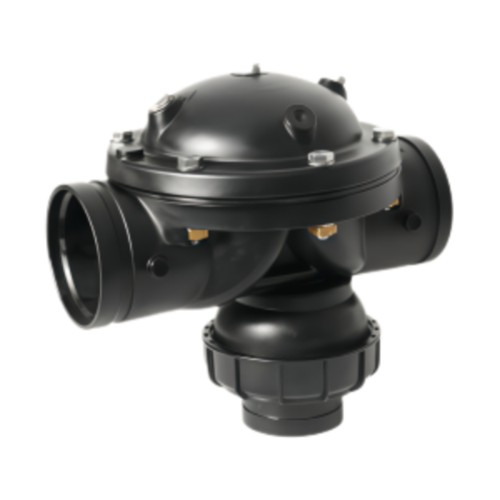
Low Temperature Resistant Plastic Control Valve / -40°C Plastic Control Valve Injection Molding
Processing Capabilities for -40°C Low-Temperature Plastic Control Valve
| Item | Detailed Capabilities |
|---|---|
| Housing Material | PA66 + GF30 (glass-fiber reinforced), impact-modified PP copolymer, PVDF, PC/ABS blend, or custom low-temp engineering plastics |
| Seal Material | Phenyl-based LSR (Shore 50–60A), low-temp FKM, or custom low-temp elastomers |
| Spring Material | Stainless steel 316 or Inconel for corrosion resistance at low temperature |
| IP Protection Rating | IP65 (dust-tight & water jet resistant), IP68 (submersible, continuous immersion) — if electronics are integrated |
| Welding Method | Hot-plate welding, laser welding, or vibration welding (ultrasonic optional for non-reinforced grades) |
| Electronics Assembly | Insert molding, over-molding, or encapsulated PCB assembly with low-temp potting compound |
| Pressure Rating | 0.15–1.6 MPa (1.5–16 bar), depending on valve design and material |
| Port / Connection | Threaded (BSP, NPT, Metric), socket weld, flange, union nut, or custom connections |
| Port Size | 1/2" to 4" (DN15–DN100), custom sizes available |
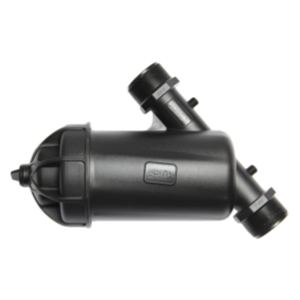
| Filter Compatibility | PP filter cartridges, pleated cartridges, mesh filter elements, or custom media |
| Operating Temperature | -40°C to 60°C (water and ambient) |
| Storage Temperature | -40°C to 70°C |
| Operating Voltage | 12V DC, 24V DC, 110V AC, 220V AC, or custom voltages (if solenoid operated) |
| Control Method | Manual, pilot-operated, solenoid-driven, or pneumatic |
| Flow Rate | 0.5–20 m³/h (depending on port size and valve design) |
| Color | Black, white, grey, blue, or custom colors matched to customer requirements |
| Surface Finish | Smooth, textured, or custom finishes available |
| Processing Tolerance | Diameter tolerance ±0.1mm, Thickness tolerance ±0.05mm |
| Certifications | ISO9001, ROHS, CE, UL, NSF, food-grade options available |
| Applications | Cold-climate water treatment, winter irrigation, refrigeration systems, outdoor water filtration, HVAC in cold regions, and industrial fluid control in low-temperature environments |
Manufacturing Process for -40°C Low-Temperature Plastic Control Valve
1. Raw Material Preparation
Select low-temperature-grade engineering plastics (PA66+GF30, impact-modified PP copolymer, PVDF, PC/ABS). Dry raw pellets at 100–120°C for 4–6 hours to ensure moisture content <0.05%. Low-temp elastomers (phenyl LSR, VMQ, low-temp FKM, low-temp EPDM) are inspected and pre-conditioned at room temperature before assembly.
2. Injection Molding of Housing Components
The valve body, dome-shaped top cover, bottom cap, and threaded connections are produced through precision injection molding. Process parameters are adjusted for low-temperature performance:
- Melt temperature: 240–280°C (PA66+GF30), 230–260°C (impact PP)
- Mold temperature: 80–100°C (PA66+GF30) for better crystallinity
- Injection pressure: 100–140 MPa
- Packing pressure: 85–95% of injection pressure with longer hold time
- Cooling time: Increased by 20–30% for uniform cooling
3. Diaphragm & Seal Production
The diaphragm is compression-molded or injection-molded from fabric-reinforced, low-temp PTFE-faced material. O-rings and gaskets are produced from phenyl-based LSR (Shore 50–60A) and low-temp FKM. We inspect all seals for dimensional accuracy and low-temperature flexibility.
4. Thread Machining & Surface Treatment
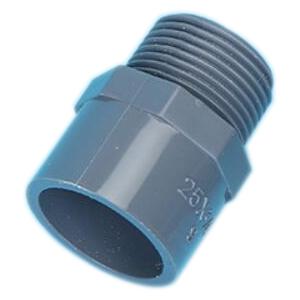
Threaded ports (BSP, NPT, or Metric) are molded directly or machined to precise tolerances. Apply surface finishing (smooth, textured, or custom) as needed. All components are cleaned and deburred to remove flash and contaminants.
5. Annealing for Stress Relief
Molded parts are annealed at 100–120°C for 2–4 hours (PA66+GF30) to relieve internal stress, improve crystallinity, and enhance low-temperature impact resistance. Cool parts gradually to prevent thermal shock.
6. Welding & Assembly
The top cover and bottom housing are welded using hot-plate or laser welding for better bond strength in reinforced materials. Weld parameters are optimized for PA66+GF30 with higher energy input and longer hold time. The diaphragm, spring, and seals are assembled in a temperature-controlled room (20–25°C). Seals are pre-conditioned at room temperature before installation to prevent damage. If electronics are integrated, we assemble the PCB and encapsulate it with a low-temp potting compound.
7. Quality Control & Testing
Every batch undergoes rigorous quality inspection for -40°C performance:
- Izod or Charpy impact testing at -40°C per ASTM D256
- Low-temperature seal flexibility testing (bend test at -40°C)
- Air-decay testing at -40°C
- IP protection testing (IP65/IP68 immersion, if applicable)
- Visual inspection for defects (flash, warpage, discoloration)
8. Packaging & Delivery
We individually pack finished valves to prevent damage during transport. Packaging options include poly bags, blister packs, or custom cartons. We ship products by sea or air, depending on customer requirements.
Manufacturing Difficulties & Countermeasures for -40°C Operation
1. Housing Brittleness at -40°C
| Item | Description |
|---|---|
| Challenge | Standard plastics become brittle and prone to cracking at -40°C. |
| Root Cause | Polymer chain mobility decreases at low temperature; insufficient impact modifiers; high internal stress. |
| Countermeasure | Use PA66+GF30, impact-modified PP copolymer, PVDF, or PC/ABS blend; anneal at 100–120°C for 2–4 hours; design generous fillets (≥0.5mm) to reduce stress concentration. |
2. Seal Hardening & Leakage at -40°C
| Item | Description |
|---|---|
| Challenge | Standard elastomer seals harden and lose sealing force at -40°C, causing leakage. |
| Root Cause | Glass transition temperature (Tg) of standard elastomers is above -40°C; compression set increases. |
| Countermeasure | Use phenyl-based LSR, low-temp FKM, VMQ, or low-temp EPDM with Tg below -50°C; pre-condition seals at room temperature; maintain 20–30% compression ratio. |
3. Welding Bond Failure at -40°C
| Item | Description |
|---|---|
| Challenge | Welded joints may fail at -40°C due to thermal stress and material embrittlement. |
| Root Cause | Insufficient weld strength; thermal expansion mismatch; stress concentration at weld line. |
| Countermeasure | Use hot-plate or laser welding for reinforced materials; increase energy input and hold time; design energy directors; verify with pressure test at -40°C. |
Our Workflow
A transparent, step-by-step process from design to delivery — tailored for plastic control valves.
Stage 1: R&D Support
We support customer R&D for plastic control valve applications. Create the files or improve the design if needed (UG, SolidWorks, ProE, AutoCAD, etc.). We help optimize valve body geometry, dome cover structure, bolted flange design, port size, thread type, diaphragm sealing, drain cap design, and IP protection strategy for your specific water control requirements.
Stage 2: Mold Process
Mold design (DFM report) → check/approve → approved → make mold → produce sample → sample confirmed → check final mold quality ready to export.
Includes main body mold, dome cover mold, flange mold, bottom drain cap mold, thread inserts, diaphragm mold, and seal over-molding tooling design.
Stage 3: Sample Modification
If the first sample does not meet the customer's requirements (e.g., pressure rating, thread fit, sealing performance, flange flatness, diaphragm durability, or drain cap fit), we can modify the mold to meet them.
Stage 4: Sample Delivery
Produce the customer's requested quantity of plastic control valve samples, with free shipping.
Stage 5: Final Delivery
Deliver goods by sea or air; we can accommodate special requirements based on customer demands.
Packaging options are available to protect valves from damage, deformation, and contamination during transport.
Why Choose Yixing Technology?
Partner with a trusted leader in precision plastic control valve manufacturing.
20+ Years Experience
We have successfully produced more than 1500 new injection molds and parts since 2006.
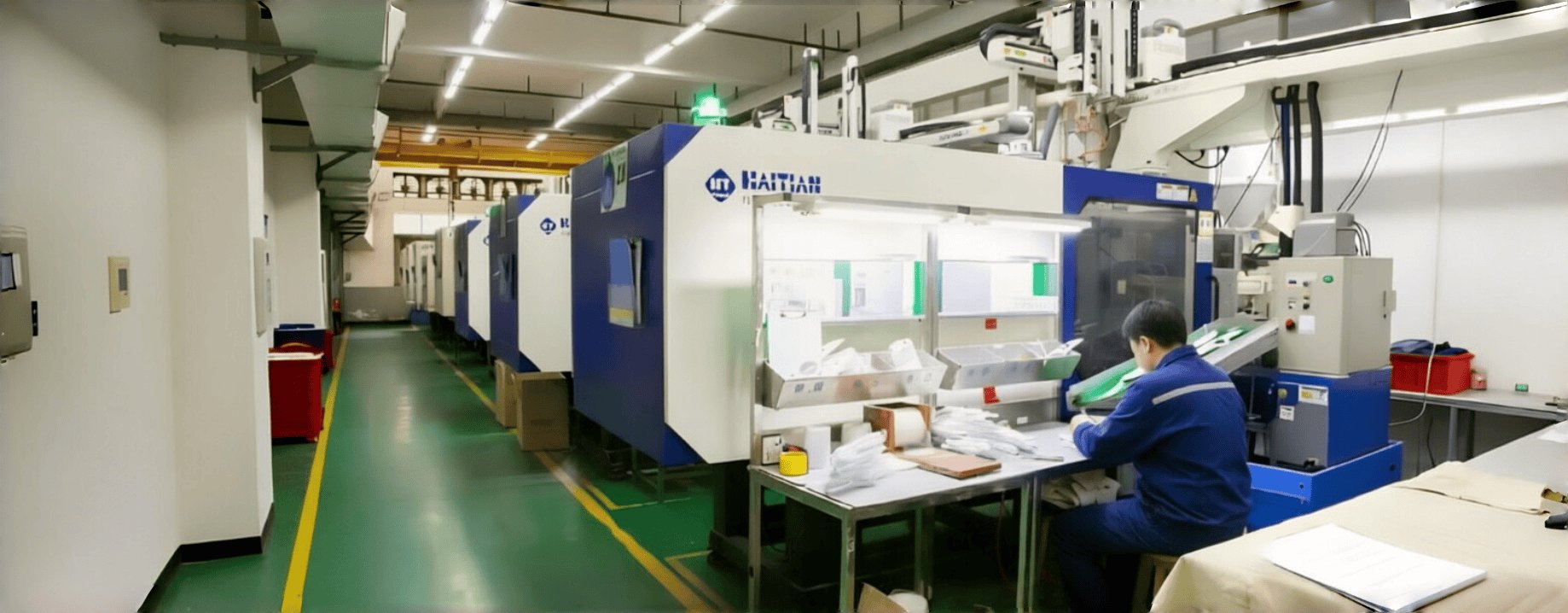
Extensive experience in molding valve bodies, dome covers, bolted flanges, threaded ports, bottom drain caps, and assembling complete control valves with diaphragms and sealing systems.
ISO9001 Certificated
Strict quality control system, providing ROHS/CE certification for your peace of mind.
We inspect each plastic control valve batch for dimensional accuracy, thread quality, flange flatness, pressure resistance, sealing performance, diaphragm function, and drain cap fit.
One Stop Service
We provide more value-added operations to simplify your supply chain from design to delivery.
From body and cover injection molding and thread forming to diaphragm production, LSR seal over-molding, flange assembly, pressure testing, and global shipping — all under one roof.
Start Your Quote Here
CATEGORIES
LATEST NEWS
CONTACT US
- Mobile: +8615000908770
- Tel: +86-21-51662821
- WhatsApp: 8615000908770
- Email: contact@yxplasticmolding.com
- Address: Room 323, Building B, Hongchun Business Park, No. 980 Qinghewan Road, Qingpu District, Shanghai