Plastic Car Parts Molding Solutions
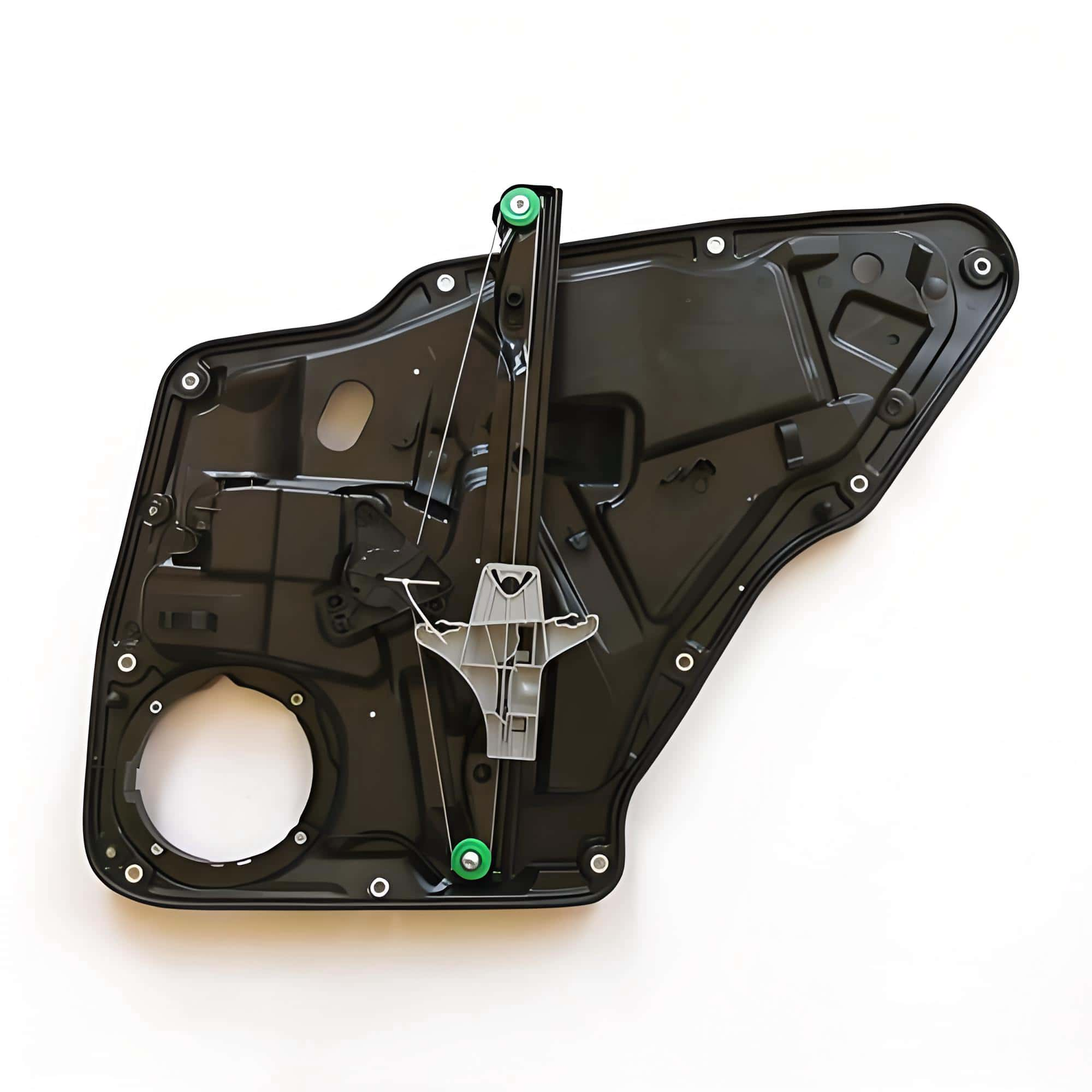
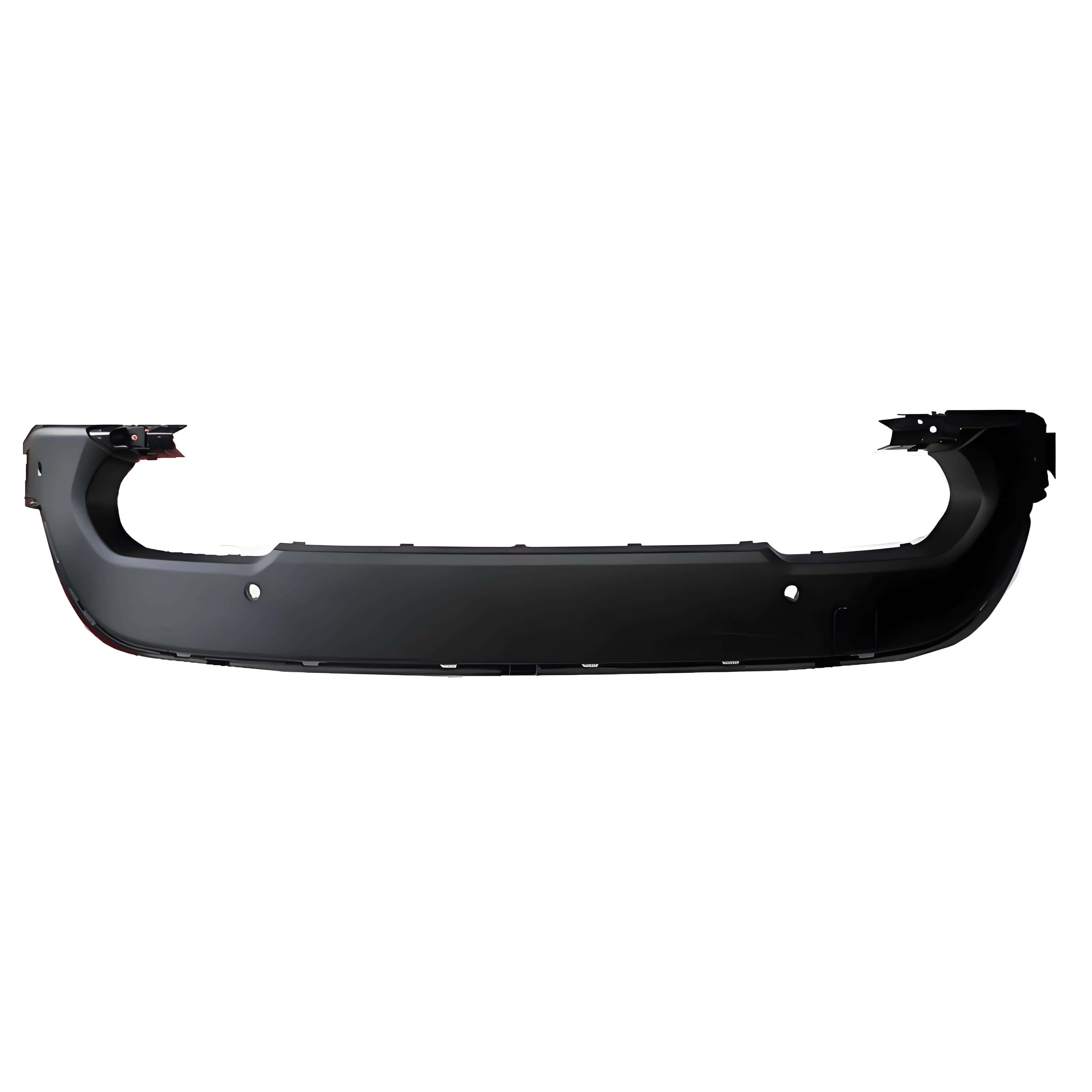
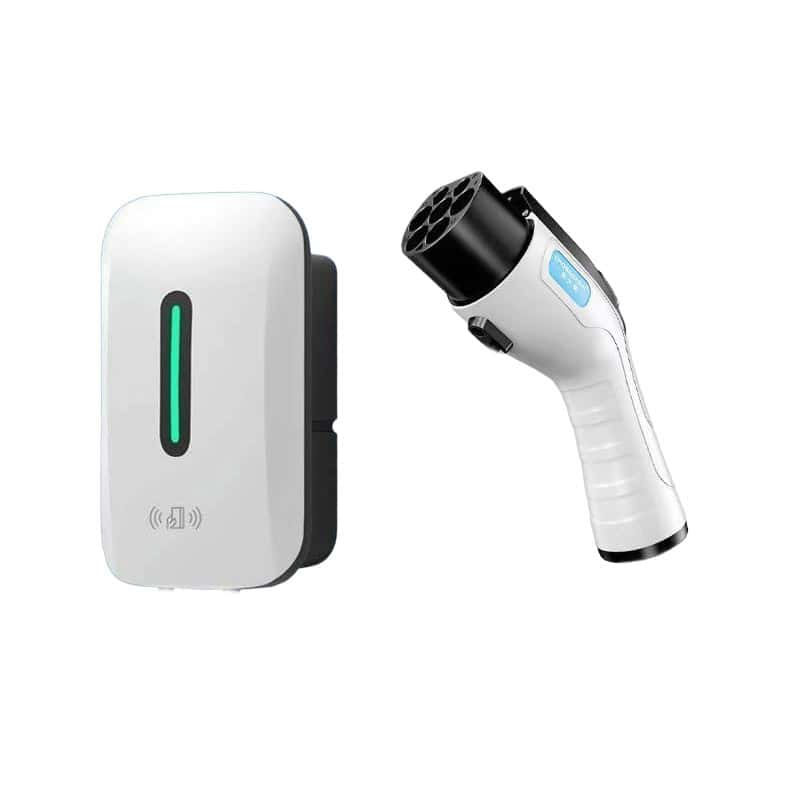
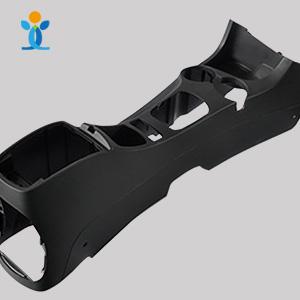
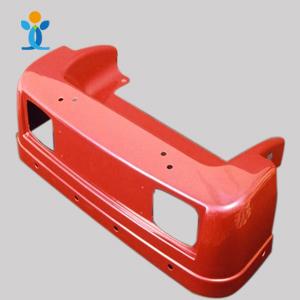
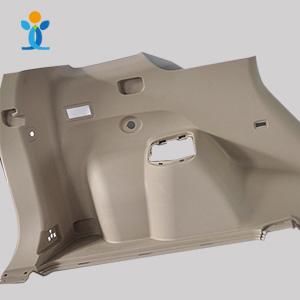
Our factory specializes in the manufacturing of plastic injection molds for the automotive industry, offering a comprehensive range of car parts that include interior, exterior, and precision functional components. Through years of cooperation with leading automotive brands, we operate in full compliance with the IATF 16949 quality management system. From the beginning of design to the final production, we work closely with our customers to ensure all product requirements are met.
Our Capabilities
| Item | Specification |
|---|---|
| Maximum Part Size | 1450 × 1350 × 1450 mm |
| Maximum Clamping Force | 1,500 tons |
| Maximum Part Weight | 9,806 g |
| Mold Life | 1,000,000 shots |
| Critical Tolerance | ±0.05 mm |
| Mold Lead Time | 35–45 days |
Supported Materials
| Material Grade | Typical Applications | Heat Resistance | Impact Resistance | Appearance Grade | Key Characteristics |
|---|---|---|---|---|---|
| PP+EPDM-Talc | Bumpers, instrument panels, door inner panels | HDT ~100–120°C | Excellent, good low-temp impact | Moderate, requires painting | Best stiffness-toughness balance, low density, most cost-effective |
| PA6-GF30 | Intake manifolds, engine covers | HDT ~203°C | Good, but notch-sensitive | Fair, glass fiber floating lines | High strength, withstands engine bay heat, moderate cost |
| PA66-GF30 | Intake manifolds (turbo), water housings, oil pans | HDT ~250°C | Good, better than PA6-GF30 | Fair, glass fiber floating lines | Higher heat resistance; hydrolysis-resistant grades for cooling systems |
| PC/ABS | Instrument panels, center consoles, mirror housings | Vicat softening ~120–127°C | High impact, good low-temp toughness | Excellent, paintable-free options | Good flow for thin-wall complex parts, can be electroplated |
| ABS+PC | Taillight housings, glove boxes, door trim | Vicat softening ~100–112°C | Good | Excellent | ABS-dominant, lower cost than PC/ABS, better flow |
| TPE | Weather seals, grip overmolds, knobs | ~-40°C to 100°C | Good elasticity, excellent sealing | Moderate | No vulcanization needed, recyclable, but limited scratch and aging resistance |
| TPU | High-wear overmolds, seals | ~-40°C to 120°C | Outstanding, best wear resistance | Good | Best abrasion resistance and strength, but watch for hydrolysis and yellowing |
Our Workflow with PPAP Integration
PPAP (Production Part Approval Process) is a core quality gate in the automotive supply chain. For an injection mold supplier, PPAP is not an extra step after delivery — it runs through the entire process from design to mass production. Below is our workflow for the automotive industry.
Stage 1: R&D Support
PPAP Corresponding Element: Design Record Confirmation
While supporting customer R&D or creating and improving design files (UG, SolidWorks, ProE, AutoCAD, etc.), we simultaneously confirm the completeness and version consistency of the Design Record. This is the first of the 18 PPAP elements, requiring the supplier to hold the correct version-level drawings, assembly drawings, and material specifications.
Stage 2: Mold Process — The Core PPAP Stage
PPAP Level 3 is the default submission level for automotive injection-molded parts. Level 3 requires submission of the PSW plus complete supporting data. The following PPAP core documents must be produced at this stage:
DFM Report → Design Confirmation
DFMEA (Design Failure Mode and Effects Analysis) is initiated during the mold design stage (if the supplier holds design responsibility). The DFMEA must identify potential failure modes, effects, causes, and current controls, and calculate the Risk Priority Number (RPN).
Mold Manufacturing → Sample Production
PPAP samples must come from a "significant production run" using production tooling, equipment, and operators. Samples must be individually labeled as "PPAP" and not mixed with regular parts.
PPAP Documents Required at This Stage
| PPAP Document | Requirement |
|---|---|
| Process Flow Diagram (PFD) | Clearly describes each step and sequence from material receiving to final inspection. |
| Process FMEA (PFMEA) | Identifies how process steps can fail, the effects, and causes; evaluates RPN; defines recommended actions. |
| Control Plan | Defines control methods, sample size/frequency, test equipment, and reaction plan (response when a characteristic or parameter goes out of control). |
| MSA (Measurement System Analysis) | Gage R&R studies for all critical characteristics to ensure measurement system variation is acceptable. |
| Dimensional Results | Full dimensional inspection records for each mold/cavity; PPAP samples must be traceable to the dimensional report. |
| Material/Performance Test Results | Material certificates and performance test reports (including lab name, date, and standard). |
Key Acceptance Criteria: Initial process capability studies require Cpk ≥ 1.67 for critical dimensions. If Cpk falls between 1.33 and 1.67, customer review is required; below 1.33 requires 100% inspection or corrective action.
Stage 3: Sample Modification
After sample modification, PPAP must be resubmitted. Any mold design change (cavity, core, gate, cooling layout) triggers PPAP resubmission. Modified samples require re-inspection, and the PFMEA and Control Plan must be updated accordingly.
Stage 4: Sample Delivery
PSW (Part Submission Warrant) is signed and submitted at this stage. The PSW is the summary document of PPAP. By signing the PSW, the supplier declares:
- All PPAP requirements have been met.
- Parts conform to drawing and specification requirements.
- Production was completed on the declared tooling, number of cavities, and production cell.
Stage 5: Final Delivery
PPAP approval is a prerequisite for mass production delivery. Formal shipments can only begin after the customer signs the PSW. Meanwhile, the Master Sample must be retained at the supplier as a reference standard for future visual and dimensional comparisons.
Why Choose Yixing Technology?
- Track Record according to IATF 16949. We have successfully finished a wide range of molds — including bumpers, door panels, fenders, and various pipeline connectors — each one can be tracked by our quality department.
- Mold flow before start. We use mold flow software to analyze and optimize filling, predict deformation, and control weld lines.
- Precision Machining and inspection equipment. Our facility is equipped with state-of-the-art 5-axis high-speed milling machines and precision EDM equipment. Inspected with CMM and 3D scanning technologies, we fully control the manufacturing process, guaranteeing strict dimensional accuracy.
- High-quality mold steel. By vacuum quenching and cryogenic treatment, we achieve high strength and high toughness, enhanced wear resistance steel. After high-grade mirror-polishing, the mold components can ensure long-term dimensional stability.
- Systematic Mold test and Validation. Comprehensive testing — including dimensional inspection, performance evaluation, and environmental simulations — we can meet our customers’ PPAP requirements.
With systematic engineering, strict quality control, and 20+ years’ mold experience, we provide automotive customers with high-reliability, long-life injection mold solutions.
FAQ
Send Your Message
Feel free to contact us. We are ready to assist you.
Start Your Quote Here
CATEGORIES
LATEST NEWS
CONTACT US
- Mobile: +8615000908770
- Tel: +86-21-51662821
- WhatsApp: 8615000908770
- Email: contact@yx-molding.com
- Address: Room 323, Building B, Hongchun Business Park, No. 980 Qinghewan Road, Qingpu District, Shanghai