Precise Gap Control
This directly affects cut surface quality and mold service life. We typically use high-precision processes like slow wire EDM and CNC to make mold components, and our engineers have extensive experience in assembly.
Based on the stamping process, stamping dies can be divided into two main categories:
These dies are primarily used to cut or separate material through operations such as blanking, punching, cutting, and trimming.
Their core components consist of a blade system (punch and die). Controlling the gap between these components is critical for achieving clean edges and tight shearing tolerances.
These dies are designed to shape material into desired forms. They include:
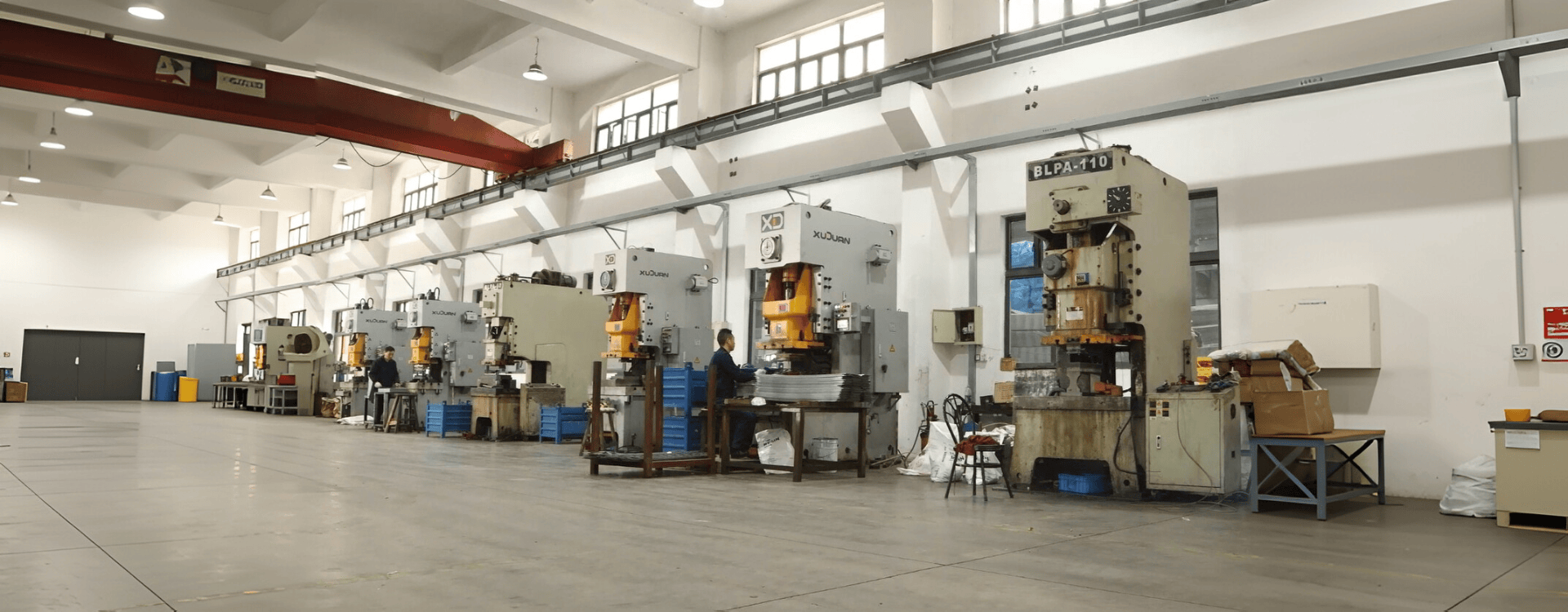
At Yixing Technology, we offer comprehensive stamping solutions from initial design to final production.
20+ years of experience in designing and building high-precision progressive, transfer, single, and compound dies.
Use advanced stamping presses to deliver consistent, high-quality parts with tight tolerances and cost efficiency.
Value-added services such as welding, tapping, powder coating, plating, and sub-assembly to make you more easy.
Using advanced measuring equipment, control the whole production process according to ISO 9001 requirements.
Progressive and transfer stamping from 25–1000 ton presses. Handles gauges from 0.1mm to 12mm and sizes up to 2000mm × 1200mm.
In-die assembly, tapping, and threaded insert integration. High-speed stamping for large-volume, cost-efficient production.
Deep drawing and forming for big size parts. Secondary operations: staking, deburring, welding, and degreasing.
Full CAD/CAM support: AutoCAD, SolidWorks, ProE, and other major file formats.
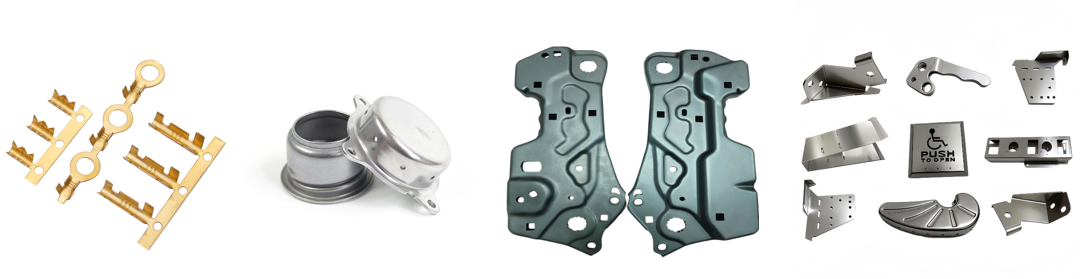
Our metal stamping services work with a widely metals and alloys.
Delivering precision metal stamping components across diverse industries worldwide.
Precision stamping tolerance grades ST1 to ST11 for sheet metal parts. Values shown are in millimeters (mm). Select appropriate tolerance grade based on your application requirements.
| Dimension B, D, L (mm) | Thickness (mm) | ST Tolerance Grades (mm) | ||||||||||||
|---|---|---|---|---|---|---|---|---|---|---|---|---|---|---|
| Over | To | Over | To | ST 1 | ST 2 | ST 3 | ST 4 | ST 5 | ST 6 | ST 7 | ST 8 | ST 9 | ST 10 | ST 11 |
| 0.5 | 1 | 0.5 | 0.008 | 0.01 | 0.015 | 0.02 | 0.03 | 0.04 | 0.06 | 0.08 | 0.12 | 0.16 | ||
| 0.5 | 1 | 0.01 | 0.015 | 0.02 | 0.03 | 0.04 | 0.06 | 0.08 | 0.12 | 0.16 | 0.24 | |||
| 1 | 1.5 | 0.015 | 0.02 | 0.03 | 0.04 | 0.06 | 0.08 | 0.12 | 0.16 | 0.24 | 0.34 | |||
| 1 | 3 | 0.5 | 0.012 | 0.018 | 0.026 | 0.036 | 0.05 | 0.07 | 0.1 | 0.14 | 0.2 | 0.28 | 0.4 | |
| 0.5 | 1 | 0.018 | 0.026 | 0.036 | 0.05 | 0.07 | 0.1 | 0.14 | 0.2 | 0.28 | 0.4 | 0.56 | ||
| 1 | 3 | 0.026 | 0.036 | 0.05 | 0.07 | 0.1 | 0.14 | 0.2 | 0.28 | 0.4 | 0.56 | 0.78 | ||
| 3 | 4 | 0.034 | 0.05 | 0.07 | 0.09 | 0.13 | 0.18 | 0.26 | 0.36 | 0.5 | 0.7 | 0.98 | ||
| 3 | 10 | 0.5 | 0.018 | 0.026 | 0.036 | 0.05 | 0.07 | 0.1 | 0.14 | 0.2 | 0.28 | 0.4 | 0.56 | |
| 0.5 | 1 | 0.026 | 0.036 | 0.05 | 0.07 | 0.1 | 0.14 | 0.2 | 0.28 | 0.4 | 0.56 | 0.78 | ||
| 1 | 3 | 0.036 | 0.05 | 0.07 | 0.1 | 0.14 | 0.2 | 0.28 | 0.4 | 0.56 | 0.78 | 1.1 | ||
| 3 | 6 | 0.046 | 0.06 | 0.09 | 0.13 | 0.18 | 0.26 | 0.36 | 0.48 | 0.68 | 0.98 | 1.4 | ||
| 6 | 0.06 | 0.08 | 0.11 | 0.16 | 0.22 | 0.3 | 0.42 | 0.6 | 0.84 | 1.2 | 1.6 | |||
| 10 | 25 | 0.5 | 0.026 | 0.036 | 0.05 | 0.07 | 0.1 | 0.14 | 0.2 | 0.28 | 0.4 | 0.56 | 0.78 | |
| 0.5 | 1 | 0.036 | 0.05 | 0.07 | 0.1 | 0.14 | 0.2 | 0.28 | 0.4 | 0.56 | 0.78 | 1.1 | ||
| 1 | 3 | 0.05 | 0.07 | 0.1 | 0.14 | 0.2 | 0.28 | 0.4 | 0.56 | 0.78 | 1.1 | 1.5 | ||
| 3 | 6 | 0.06 | 0.09 | 0.13 | 0.18 | 0.26 | 0.36 | 0.5 | 0.7 | 1.0 | 1.4 | 2.0 | ||
| 6 | 0.08 | 0.12 | 0.16 | 0.22 | 0.32 | 0.44 | 0.6 | 0.88 | 1.2 | 1.6 | 2.4 | |||
| 25 | 63 | 0.5 | 0.036 | 0.05 | 0.07 | 0.1 | 0.14 | 0.2 | 0.28 | 0.4 | 0.56 | 0.78 | 1.1 | |
| 0.5 | 1 | 0.05 | 0.07 | 0.1 | 0.14 | 0.2 | 0.28 | 0.4 | 0.56 | 0.78 | 1.1 | 1.5 | ||
| 1 | 3 | 0.07 | 0.1 | 0.14 | 0.2 | 0.28 | 0.4 | 0.56 | 0.78 | 1.1 | 1.5 | 2.1 | ||
| 3 | 6 | 0.09 | 0.12 | 0.18 | 0.26 | 0.36 | 0.5 | 0.7 | 0.98 | 1.4 | 2.0 | 2.8 | ||
| 6 | 0.11 | 0.16 | 0.22 | 0.3 | 0.44 | 0.6 | 0.86 | 1.2 | 1.6 | 2.2 | 3.0 | |||
| 63 | 160 | 0.5 | 0.04 | 0.06 | 0.09 | 0.12 | 0.18 | 0.26 | 0.36 | 0.5 | 0.7 | 0.98 | 1.4 | |
| 0.5 | 1 | 0.06 | 0.09 | 0.12 | 0.18 | 0.26 | 0.36 | 0.5 | 0.7 | 0.98 | 1.4 | 2.0 | ||
| 1 | 3 | 0.09 | 0.12 | 0.18 | 0.26 | 0.36 | 0.5 | 0.7 | 0.98 | 1.4 | 2.0 | 2.8 | ||
| 3 | 6 | 0.12 | 0.16 | 0.24 | 0.32 | 0.46 | 0.64 | 0.9 | 1.3 | 1.8 | 2.5 | 3.6 | ||
| 6 | 0.14 | 0.2 | 0.28 | 0.4 | 0.56 | 0.78 | 1.1 | 1.5 | 2.1 | 2.9 | 4.2 | |||
| 160 | 400 | 0.5 | 0.06 | 0.09 | 0.12 | 0.18 | 0.26 | 0.36 | 0.5 | 0.7 | 0.98 | 1.4 | 2.0 | |
| 0.5 | 1 | 0.09 | 0.12 | 0.18 | 0.26 | 0.36 | 0.5 | 0.7 | 1.0 | 1.4 | 2.0 | 2.8 | ||
| 1 | 3 | 0.12 | 0.18 | 0.26 | 0.36 | 0.5 | 0.7 | 1.0 | 1.4 | 2.0 | 2.8 | 4.0 | ||
| 3 | 6 | 0.16 | 0.24 | 0.32 | 0.46 | 0.64 | 0.9 | 1.3 | 1.8 | 2.6 | 3.6 | 4.8 | ||
| 6 | 0.2 | 0.28 | 0.4 | 0.56 | 0.78 | 1.1 | 1.5 | 2.1 | 2.9 | 4.2 | 5.8 | |||
| 400 | 1000 | 0.5 | 0.09 | 0.12 | 0.18 | 0.24 | 0.34 | 0.48 | 0.64 | 0.94 | 1.3 | 1.8 | 2.6 | |
| 0.5 | 1 | 0.12 | 0.18 | 0.24 | 0.34 | 0.48 | 0.66 | 0.94 | 1.3 | 1.8 | 2.6 | 3.6 | ||
| 1 | 3 | 0.18 | 0.24 | 0.34 | 0.48 | 0.66 | 0.94 | 1.3 | 1.8 | 2.6 | 3.6 | 5.2 | ||
| 3 | 6 | 0.24 | 0.34 | 0.48 | 0.66 | 0.94 | 1.3 | 1.8 | 2.6 | 3.6 | 5.2 | 7.2 | ||
| 6 | 0.34 | 0.48 | 0.66 | 0.94 | 1.3 | 1.8 | 2.6 | 3.6 | 5.2 | 7.2 | 10.0 | |||
| 1000 | 2000 | 0.5 | 0.12 | 0.18 | 0.26 | 0.36 | 0.5 | 0.7 | 1.0 | 1.4 | 2.0 | 2.8 | 4.0 | |
| 0.5 | 1 | 0.18 | 0.26 | 0.36 | 0.5 | 0.7 | 1.0 | 1.4 | 2.0 | 2.8 | 4.0 | 5.6 | ||
| 1 | 3 | 0.26 | 0.36 | 0.5 | 0.7 | 1.0 | 1.4 | 2.0 | 2.8 | 4.0 | 5.6 | 8.0 | ||
| 3 | 6 | 0.36 | 0.5 | 0.7 | 1.0 | 1.4 | 2.0 | 2.8 | 4.0 | 5.6 | 8.0 | 11.0 | ||
| 6 | 0.5 | 0.7 | 1.0 | 1.4 | 2.0 | 2.8 | 4.0 | 5.6 | 8.0 | 11.0 | 16.0 | |||
Note: Tolerance grades ST1 to ST11 represent increasing tolerance ranges. ST1 provides the tightest precision (suitable for critical applications), while ST11 offers wider tolerances (suitable for general applications).
Reference: Values based on international stamping tolerance standards. For specific tolerance requirements, please consult our engineering team.
Discover the key factors that define precision, durability, and cost-efficiency in metal stamping die manufacturing.
This directly affects cut surface quality and mold service life. We typically use high-precision processes like slow wire EDM and CNC to make mold components, and our engineers have extensive experience in assembly.
Our engineers use scientific layout designs to reduce material waste and lower costs, ensuring maximum efficiency for your production runs.
Mold materials should be selected based on production volume. We focus on the balance between longevity and economy , not simply choosing the most expensive material for the longest life.
Worker safety is our top priority, then operational stability. Every die is designed to safety standards.
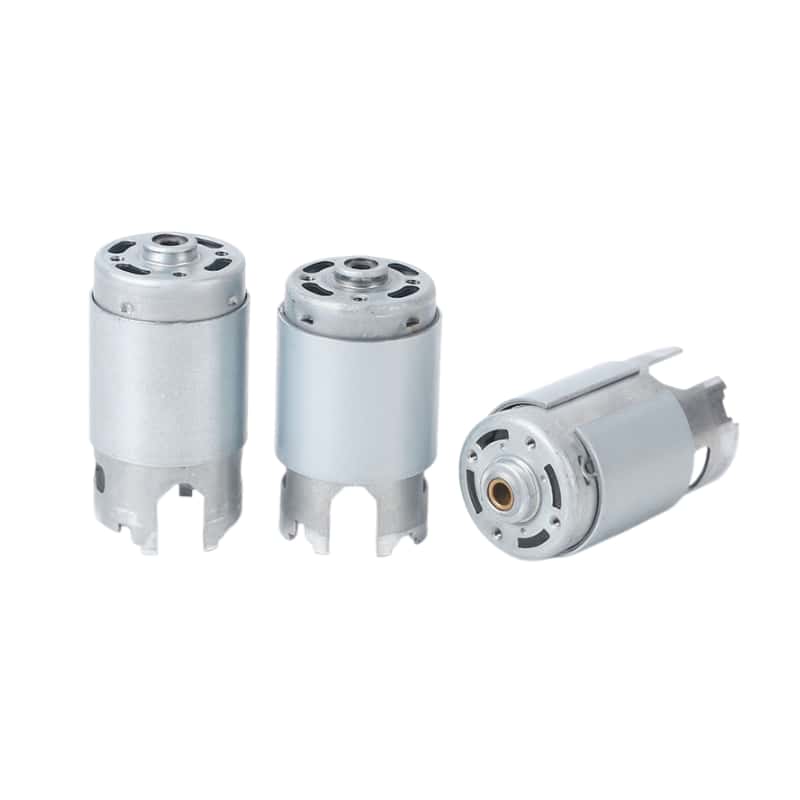
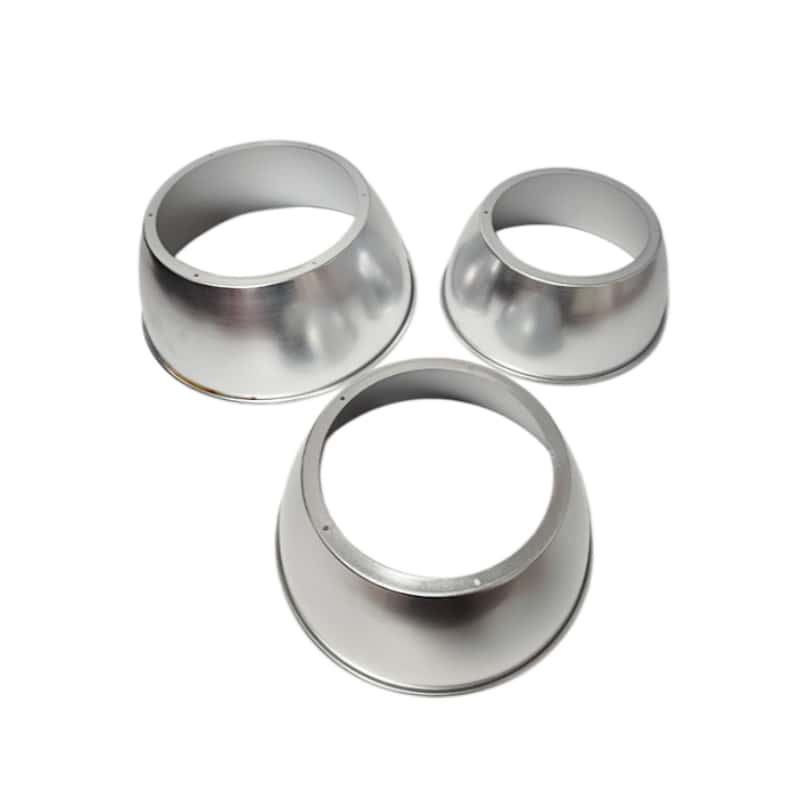
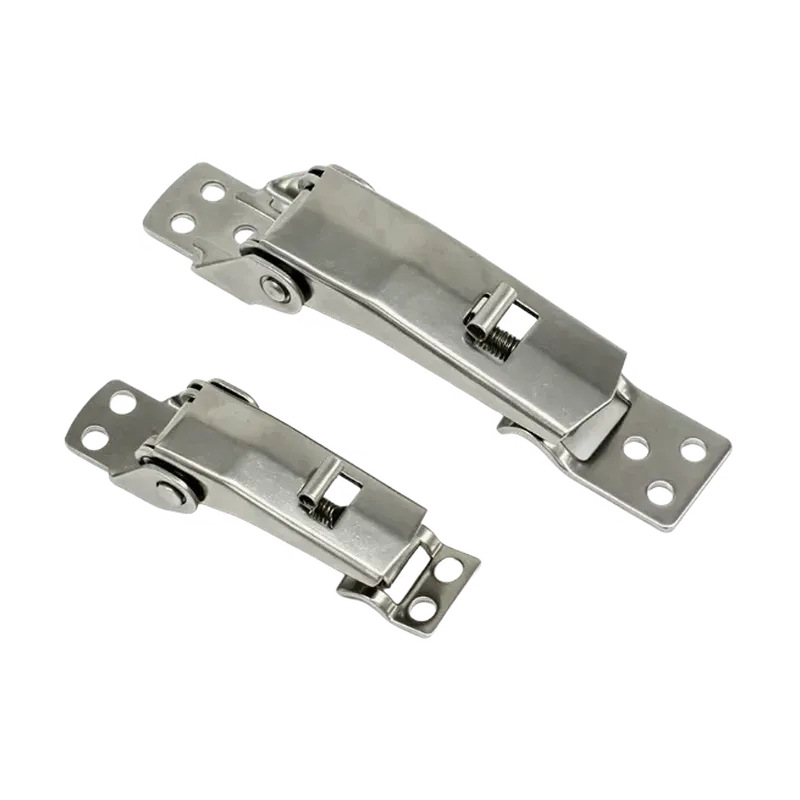
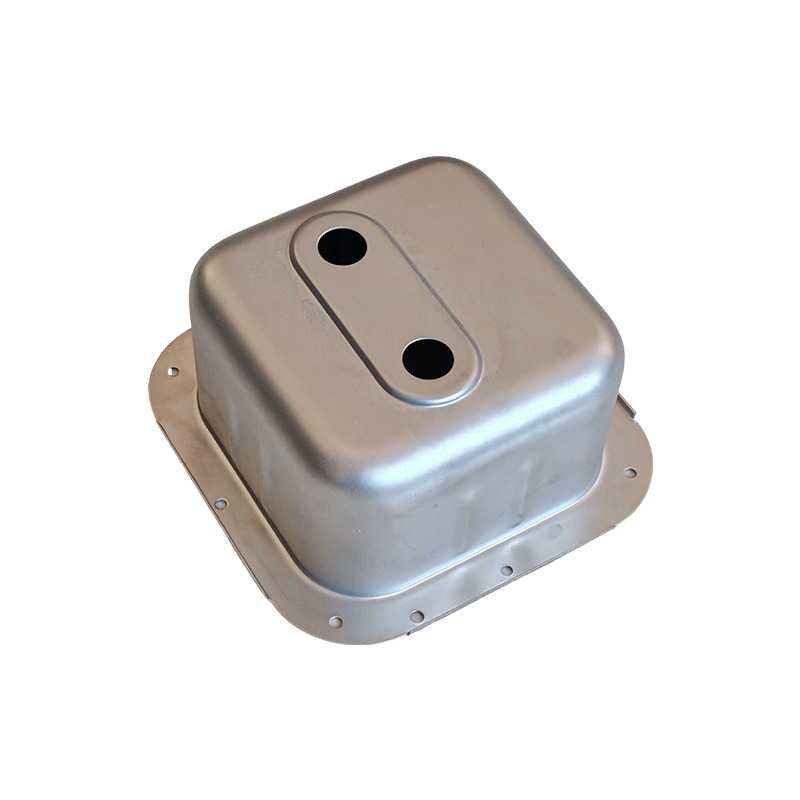
With over 20 years of experience in mold design and manufacturing, we specialize in producing high-quality metal stamping parts that meet your end-product needs.
Send Your Message
Feel free to contact us. We are ready to assist you.
Scan for WhatsApp
Scan to chat on WeChat