
Over-Molded Nylon Filter Disc – Custom Injection Molding Service
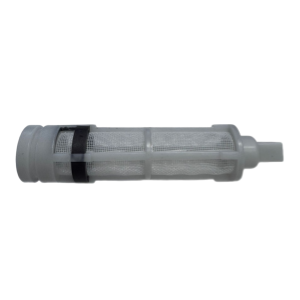
Over-molded nylon filter discs combine a precision metal or nylon mesh with an injection-molded plastic frame in a single process. The result is a leak-proof, durable filtration component used in water treatment, chemical processing, food & beverage, and many other industries. Below is a complete overview of specifications, manufacturing process, common problems and solutions, applications, and our workflow.
- Mesh MaterialNylon (PA6 / PA66), Stainless Steel 304 / 316, Polyester (PET)
- Diameter Range10 mm – 300 mm (custom sizes available)
- ShapeRound disc, rectangular frame, custom profile
- Mesh Count10 – 500 mesh
- Filtration Accuracy50 – 1000 μm
- StructureMetal/nylon mesh insert + over-molded plastic frame
- Frame MaterialPP, PA66+GF30, PBT, ABS
- Over-molding MaterialLiquid silicone rubber (LSR) or thermoplastic elastomer (TPE)
- Dimensional Tolerance±0.1 mm (critical sealing surfaces ±0.05 mm)
- CertificationISO 9001:2015, RoHS, REACH compliant
- Leak-Proof BondOver-molding creates a molecular-level bond between mesh and frame, eliminating gaps where fluid can bypass the filter.
- High Chemical ResistanceNylon and PP frames resist acids, alkalis, and organic solvents commonly found in industrial filtration.
- Precision Mesh TensionMesh is pre-stretched and fixed before molding to prevent wrinkling or sagging during filtration.
- Custom GeometryWe can mold complex shapes — snap-fit clips, O-ring grooves, threaded inserts — directly into the frame.
- Long Service LifeThe over-molded seal protects mesh edges from abrasion and delamination, extending filter life by 2–3× compared to glued assemblies.
- Food-Grade OptionFDA-compliant materials available for water, beverage, and food processing applications.
Step 1 — Mesh Preparation: The filter mesh is cut to size, pre-stretched on a fixture, and placed into the injection mold cavity. For multi-layer filters, layers are stacked and aligned before insertion.
Step 2 — Over-Molding: The mold closes and molten plastic (e.g., PA66+GF30) is injected around the mesh at 260–300 °C. The plastic flows into the mesh weave, creating a mechanical interlock. For sealing applications, a second shot of liquid silicone rubber (LSR) is injected to form the O-ring or gasket.
Step 3 — Post-Processing & QC: Parts are de-gated, inspected under magnification for flash, short shots, and bond integrity. A pull-test verifies mesh-to-frame adhesion strength (minimum 15 N/mm). Approved parts are packed in anti-static trays.
Problem A — Leak-Proof Bond Failure
- Root Cause 1: Mesh surface contamination (oil, dust) prevents plastic adhesion → Solution: Ultrasonic cleaning before molding.
- Root Cause 2: Melt temperature too low → incomplete flow into mesh weave → Solution: Increase barrel temp by 10–15 °C.
- Root Cause 3: Injection pressure insufficient → Solution: Raise injection pressure to 80–120 MPa.
- Root Cause 4: Mesh tension uneven → gaps at edges → Solution: Use precision tensioning fixture with ±0.5 mm control.
- Root Cause 5: Mold venting blocked → air traps at bond line → Solution: Add vent channels 0.02–0.05 mm deep at flow-end.
Problem B — Delamination (Mesh Separates from Frame)
- Root Cause 1: Incompatible mesh & frame materials → Solution: Match CTE (thermal expansion) of both materials.
- Root Cause 2: Cooling rate too fast → residual stress → Solution: Extend cooling time by 3–5 s; use conformal cooling channels.
- Root Cause 3: Mesh weave too loose → insufficient mechanical interlock → Solution: Specify tighter weave (higher mesh count) or add crimp.
- Root Cause 4: Mold release agent on mesh → Solution: Eliminate release agent; use mold temperature control instead.
- Root Cause 5: Post-mold warpage → Solution: Anneal parts at 80 °C for 2 h to relieve stress.
Problem C — Bypass Leakage (Fluid Flows Around Filter, Not Through It)
- Root Cause 1: Flash at parting line → Solution: Reduce injection pressure; check mold clamping force.
- Root Cause 2: Short shot at seal edge → Solution: Increase melt temperature or injection speed.
- Root Cause 3: Mesh shifted during injection → Solution: Add locating pins in mold to hold mesh position.
- Root Cause 4: Shrinkage gap between frame and housing → Solution: Design interference fit of 0.1–0.2 mm.
- Root Cause 5: O-ring groove dimension error → Solution: CNC-machined mold inserts with ±0.02 mm tolerance.
- Water TreatmentPre-filtration, sediment removal, RO pre-filters
- Chemical ProcessingCatalyst recovery, acid/alkali filtration
- Food & BeverageJuice clarification, brewing, dairy processing
- PharmaceuticalActive ingredient filtration, sterile filtration
- AutomotiveFuel filtration, coolant filtration, oil filters
- ElectronicsCoolant filtration in CNC machining, semiconductor rinse water
- AgricultureIrrigation system filters, fertigation
- HVACChiller water filtration, cooling tower strainers
- Mining & MetallurgySlurry dewatering, process water recycling
- TextileDye liquor filtration, wastewater treatment
- Stage 1 — Inquiry & Drawing ReviewYou send us your drawing or sample. We review dimensions, material requirements, and filtration specs within 24 hours.
- Stage 2 — DFM ReportOur engineers provide a Design-for-Manufacturability report, highlighting potential issues and suggesting optimizations for moldability and cost.
- Stage 3 — Mold Design & FabricationWe design the mold in SolidWorks, simulate filling with Moldflow, and machine the mold in-house (lead time: 25–35 days).
- Stage 4 — Sampling & ApprovalWe produce T1 samples, send them with inspection reports (dimensional, pull-test, leak-test), and iterate until you approve.
- Stage 5 — Mass Production & ShippingOnce approved, we begin mass production with full SPC monitoring. Typical lead time: 15–20 days after approval.
- 20+ Years ExperienceSpecialized in over-molding and insert molding since 2003. We have completed 5,000+ custom filter disc projects.
- ISO 9001:2015 CertifiedFull quality management system with traceable production records for every batch.
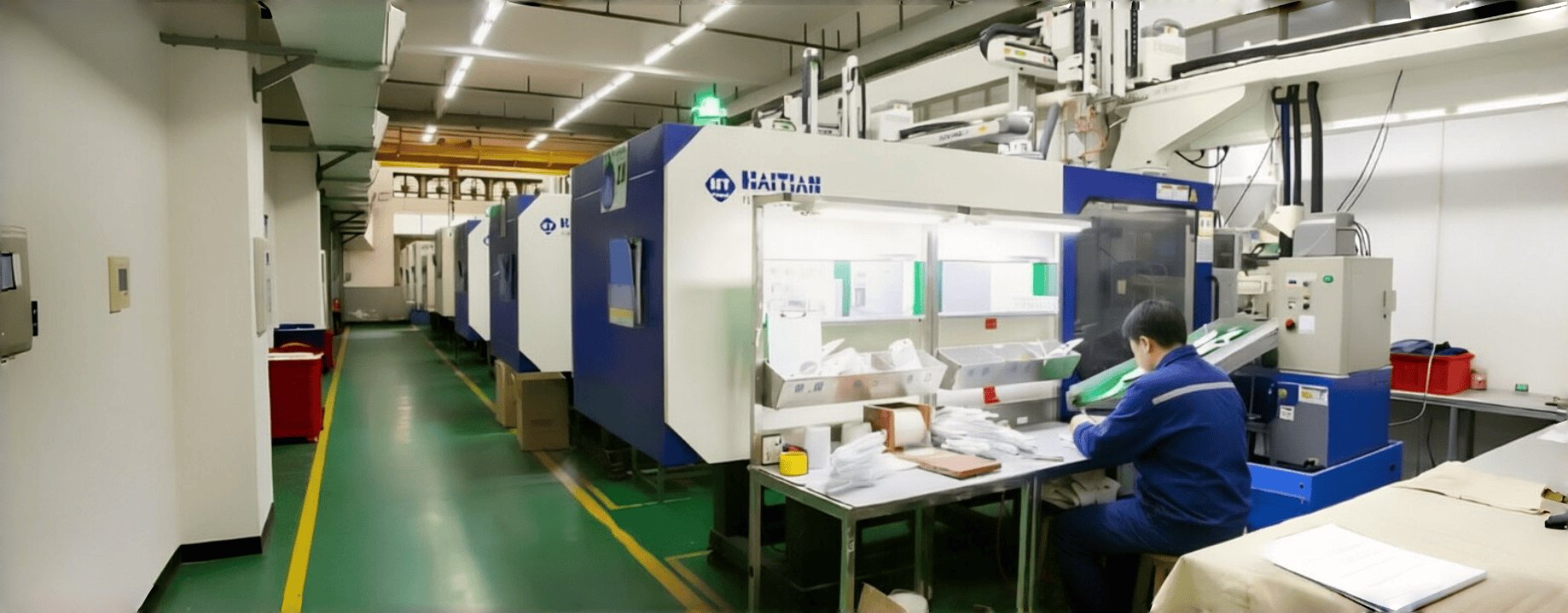
- One-Stop ServiceFrom mesh sourcing → mold design → injection molding → assembly → packaging, all under one roof in our Shanghai factory.
Start Your Quote Here
CATEGORIES
LATEST NEWS
CONTACT US
- Mobile: +8615000908770
- Tel: +86-21-51662821
- WhatsApp: 8615000908770
- Email: contact@yx-molding.com
- Address: Room 323, Building B, Hongchun Business Park, No. 980 Qinghewan Road, Qingpu District, Shanghai