Plastic Enclosure Molding Service
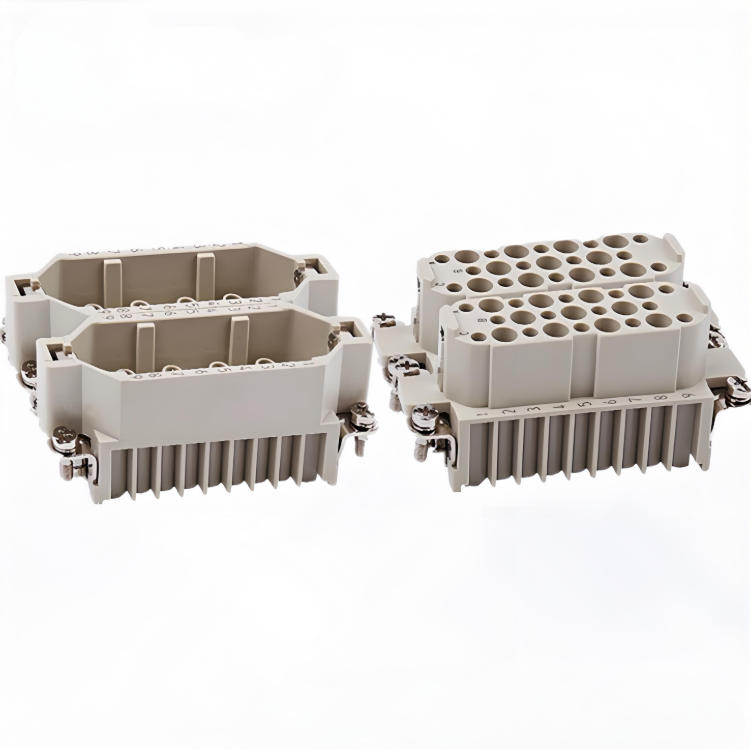
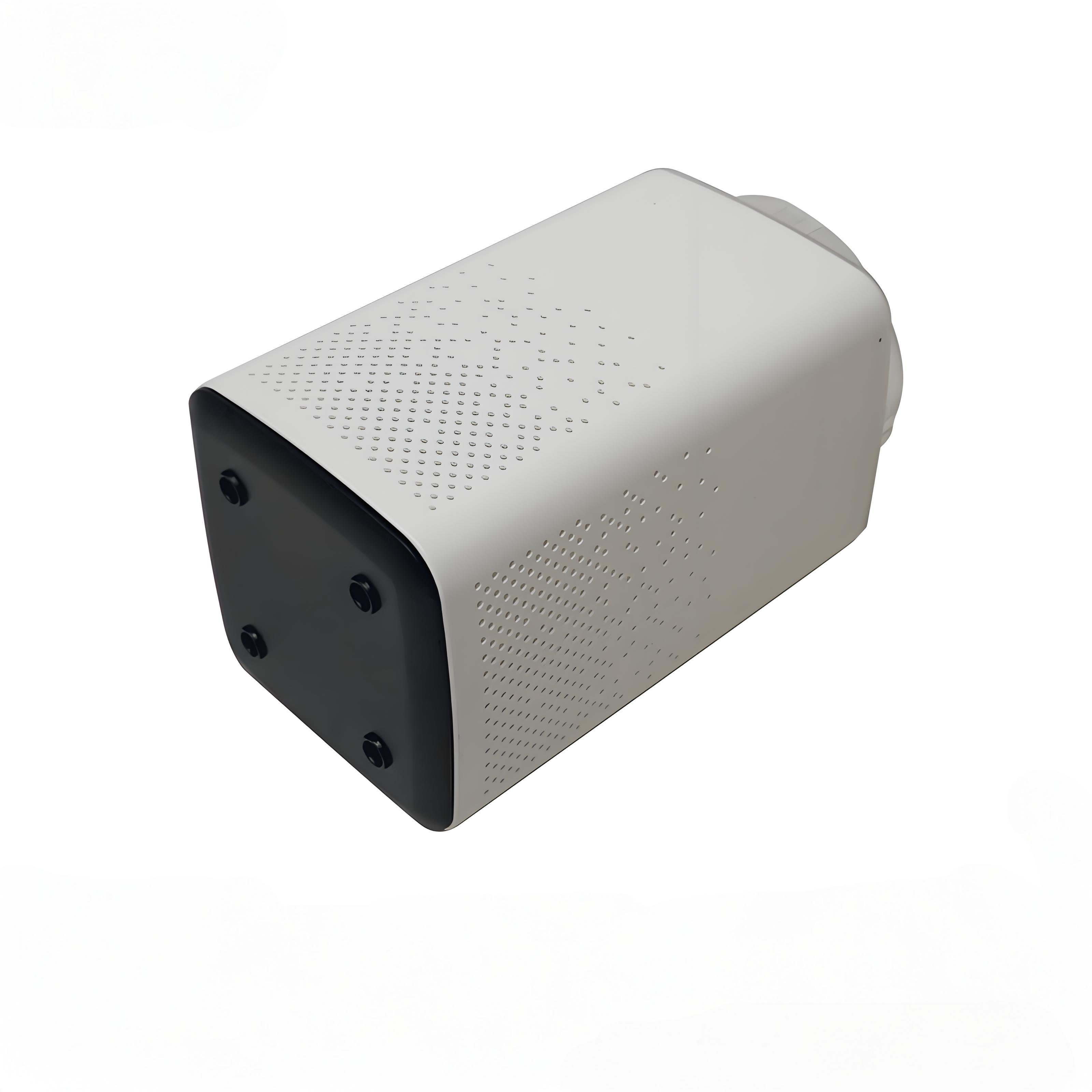
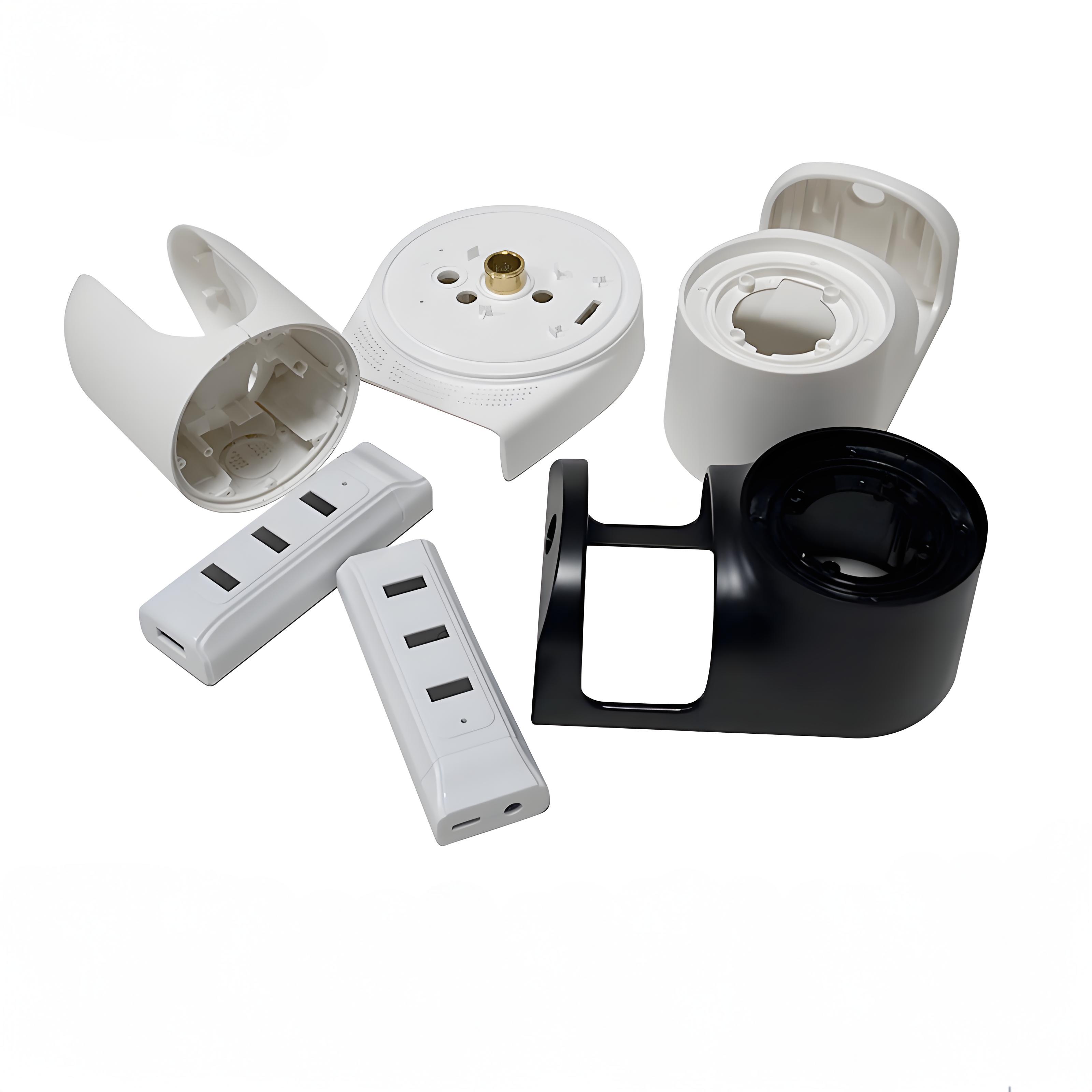
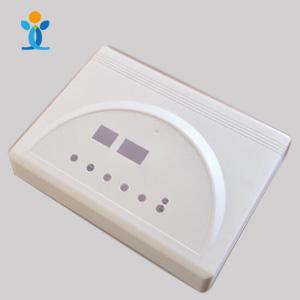
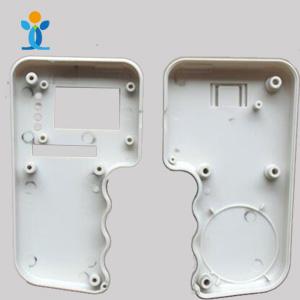
We focus on providing high-precision, long-life injection molds and high-volume production of plastic housings for home appliances. With scientific design, high-precision machining, strict quality control, and system integration, we help our customers achieve efficient, high-quality production at mass production.
Our Capability
| Item | Capability Range |
|---|---|
| Injection Machine Clamping Force | 80T – 1500T |
| Shot Size | 0.2g – 9806g |
| Part Size | 3×3×3 mm to 1450×1350×1450 mm |
| Cavitation | 1 – 128 cavities (depending on client requirements) |
| Tolerance | ±0.05 mm (depending on material and size) |
| Appearance Surface Grade | SPI #A1 (high-gloss mirror) to VDI 3400 textured finishes (VDI 12–45 available) |
| Monthly Capacity | 1,000,000 pcs |
| Typical Lead Time | Mold: 4–6 weeks; Production: 2–3 weeks |
The Materials We Support
ABS / PC / PC-ABS / PA — UL94, Heat Resistance, Impact & Appearance Capability Comparison
| Material | Typical UL94 Rating (Grade/Wall Thickness Dependent) | Heat Resistance (HDT / Long-Term Use) | Impact Resistance | Appearance Surface / Clear Window |
|---|---|---|---|---|
| ABS | General purpose: HB; FR grades up to V-0 / 5VA (≥1.5 mm) | ~85–95°C (general); high-heat grades up to 111°C | Good; retains toughness at low temperatures (-20°C) | Yes — appearance surface (high gloss / matte / electroplating); No — clear window (opaque) |
| PC | FR grades: V-2 (0.8 mm) → V-0 (1.0 mm) → 5VA (3.0 mm) | 120–140°C; excellent thermal stability | Excellent; highest impact strength among transparent materials | Yes — appearance surface; first choice for clear windows (high light transmission + impact resistance) |
| PC-ABS | V-0 @ 1.2–1.7 mm; some grades up to 5VA @ 2.9 mm | 110–135°C; better than ABS, close to PC | Excellent; good low-temp toughness, superior to ABS | Yes — appearance surface (best overall appearance); No — clear window (typically opaque) |
| PA (Nylon) | FR grades: V-0 / V-2 (grade dependent, 0.75–1.6 mm) | 110–160°C (varies significantly between PA6/PA66) | Tough and strong, but notch-sensitive; properties drop after moisture absorption | Yes — appearance surface (typically matte/textured); No — clear window (opaque; transparent PA is extremely rare) |
Selection Guidelines
- For clear windows → Choose PC: PC is the only material among the four that delivers both high transparency and high impact resistance. ABS, PC-ABS, and PA are all opaque and cannot be used for windows.
- For flame retardancy + appearance → PC-ABS is the best balance: V-0 is easily achieved (1.2–1.5 mm), appearance approaches PC, and cost is lower than pure PC — the top choice for consumer electronics housings.
- For low-cost appearance parts → ABS: General-purpose grades are only HB, but FR grades can reach V-0 — excellent decoration capability (electroplating, painting, IMD) for housings that don't need transparency.
- For heat/chemical resistance + structural parts → PA: HDT can exceed 160°C, with good wear and oil resistance, but moisture absorption affects dimensional stability and appearance. FR grades are mainly V-0, suitable for functional parts rather than appearance parts.
- Always verify the UL94 rating by grade and wall thickness: The same material can have completely different UL94 ratings depending on grade and wall thickness. For example, PC is V-2 at 0.8 mm but reaches V-0 at 1.0 mm. Always request the UL Yellow Card for the specific grade to confirm.
What IP Grade Do You Need?
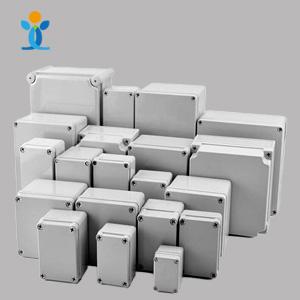
IP65 / IP67 — Sealing Methods & Waterproof Junction Box Applications
| Rating | Water Ingress Test Conditions | Recommended Sealing Method | Waterproof Junction Box / Outdoor Enclosure Applications |
|---|---|---|---|
| IP65 | Water jets: 6.3 mm nozzle, 12.5 L/min flow rate, 2.5–3 m distance, at least 3 minutes | O-ring groove / flat gasket: sealing achieved through compression; simple structure, serviceable. Ultrasonic or hot-plate welding NOT recommended — cannot be opened for maintenance after welding. | Outdoor surveillance junction boxes, streetlight controllers, industrial sensor housings. Rain and hose-down protection, but no immersion. |
| IP67 | Short-term immersion: top of enclosure at least 0.15 m below water surface, bottom at least 1 m below, 30 minutes | O-ring groove + controlled gasket compression: recommended compression ratio 15%–22%, compression amount ~0.4–0.6 mm (depending on hardness). Ultrasonic welding can also be used for permanent sealing (non-serviceable). | Outdoor waterproof junction boxes (short-term flooding/storm exposure), industrial field junction boxes, automotive ECU housings. |
Selection Guidelines
- IP65 → O-ring groove is standard: Simple, serviceable, and the most common solution for outdoor boxes. With proper groove design and compression, passing the IPX5 water jet test is no challenge.
- IP67 → O-ring groove still works, but compression must be precisely controlled: A gasket compression ratio of 15%–22% is a proven effective range. If the box needs permanent sealing (no intention of opening), ultrasonic welding is the more reliable choice.
Secondary Operations
A molded enclosure is usually just the starting point. Here's all the stuff we can do to it after it comes out of the mold, or sometimes right in the mold:
- Silk screen: flat, reliable, cheap. Logos, icons, text. Works on flat or gently curved surfaces.
- Hot stamping: that shiny metallic or holographic look. Heated die presses foil onto the part.
- IMD/IML: the graphic goes into the mold before injection. The decoration becomes part of the part — no peeling, no fading. Great for durable graphics on appliance panels or automotive trim.
- Laser engraving: permanent marking, no ink, no foil. Great for serial numbers, QR codes, or a premium frosted look.
You don't need to source all this out separately. We handle the molding and the finishing — snap-fits, inserts, overmolding, decoration, EMI shielding — all under one roof. One supplier, one shipment, way less hassle.
Our Workflow
A transparent, step-by-step process from design to delivery.
Stage 1: R&D Support. We support customer R&D. Create the files or improve the design if needed (UG, SolidWorks, ProE, AutoCAD, etc.).
Stage 2: Mold Process. Mold design (DFM report) → check/approve → make mold → produce sample → sample confirmed → check final mold quality ready to export.
Stage 3: Sample Modification. If the first sample does not satisfy the customer, we can modify the mold to meet customer requirements.
Stage 4: Sample Delivery. Produce the customer's requested quantity, free shipping.
Stage 5: Final Delivery. Deliver goods by sea or by air; special requirements can be accommodated based on customer demands.
Why Choose Yixing Technology?
1. High-Precision and High-Volume Molds
We specialize in multi-cavity mold designs, ranging from 1-out-2 to 1-out-48, using high-strength mold bases and pre-hardened steels like S136H, H13, etc. This ensures long-term dimensional stability and consistent operations over millions of cycles.
2. Meet Superior Surface Requirements
With 20+ years of experience for mold, we can meet superior surface quality requirements—from high-gloss mirror finishes (up to #A1) to fine textures and anti-fingerprint coatings.
3. Mold Flow Analysis to Reduce Injection Defects
Use Mold flow Analysis software at the beginning, our engineer designs a reasonable mold structure to ensure uniform filling, reduced warpage, and shorter cycle times—boosting both quality and productivity.
4. Extensive Experience with Many Kinds of Materials
We excel in molding flame-retardant and corrosive materials such as PVC. By using corrosion-resistant steels and surface enhancements, we guarantee long mold life and injection stability under demanding conditions.
We provide one-stop mold solutions—from design to production—to help our customers achieve superior product quality for their appliance housing needs.
FAQ
Send Your Message
Feel free to contact us. We are ready to assist you.
Start Your Quote Here
CATEGORIES
LATEST NEWS
CONTACT US
- Mobile: +8615000908770
- Tel: +86-21-51662821
- WhatsApp: 8615000908770
- Email: contact@yx-molding.com
- Address: Room 323, Building B, Hongchun Business Park, No. 980 Qinghewan Road, Qingpu District, Shanghai